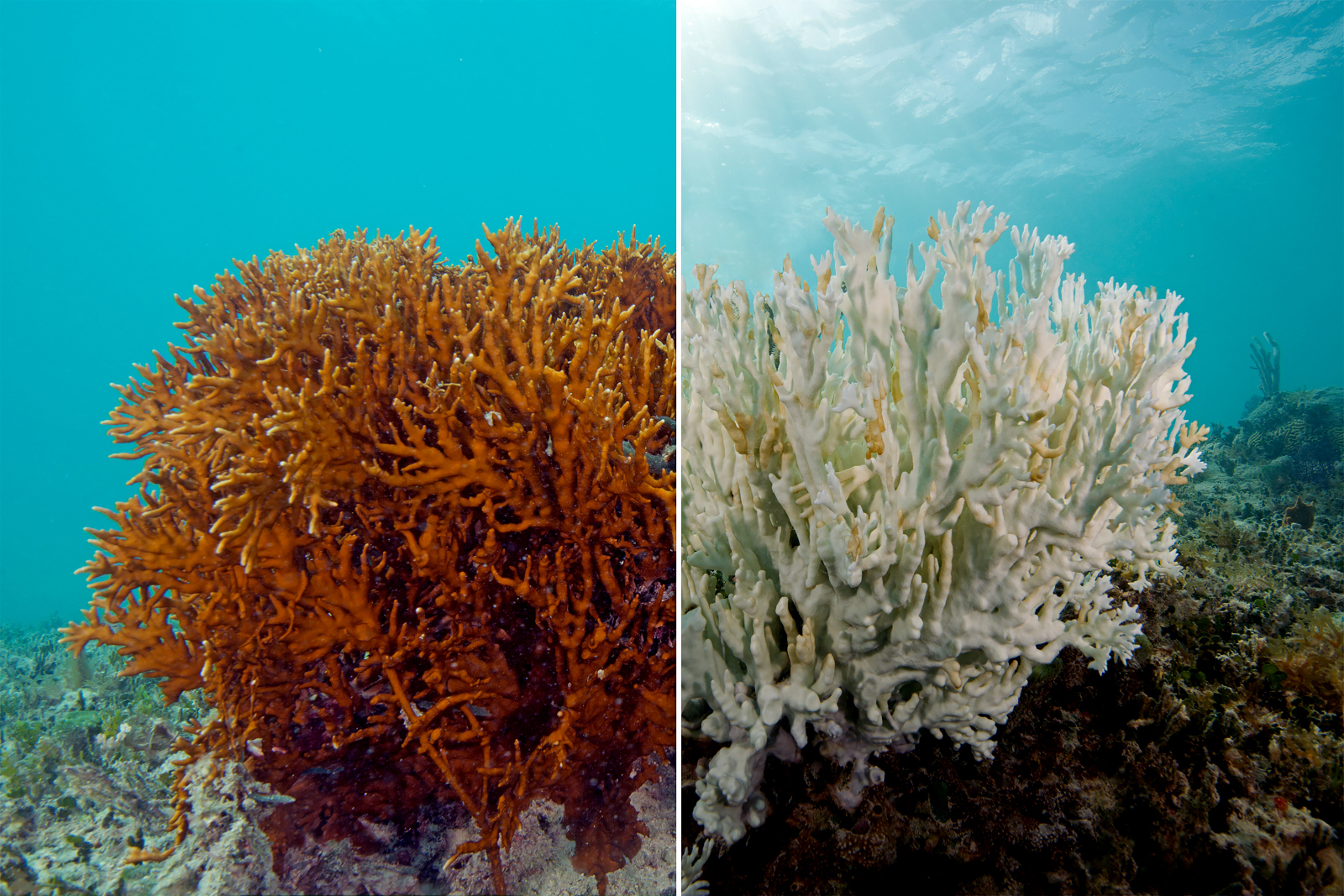
Coral reefs represent some of the world’s most spectacular beauty spots, but they are also the foundation of marine life: without them many of the sea’s most exquisite species will not survive.
Sheherazade Goldsmith
An alarming fact that many people don’t know or realize today is that coral reefs are dying off rapidly. In the past 30 years alone, 50% of coral reefs around the world have died off! Read that again, 50% of ALL of earth’s coral reefs have died off. Gone. Just like that. What’s even more startling is the projection that 90% of all coral reefs will be dead by the end of this century.
Hopefully those numbers really sink in for you. That’s a drastic world change that will be irreversible when that time comes. At this point though, you might still be wondering what exactly this change would look like for you and the rest of the world. Let’s have a look.
Impact on Diving
A world without coral reefs will, for one, be much less diverse and beautiful. The ocean will be devoid of so much life and beauty. The diving industry will take a massive hit as world-renowned diving sites will be no more than rocky, gray, and dull ocean floors. Think of how big cities look in apocalypse-based movies and shows. These big cities that were once full of color and bustling with life become still, silent, and nothing more than massive graveyards. The coral reefs will soon start resembling these cities.
Economic Impact
Not only will coral reefs dying off have an effect on the diving industry, but they will also have a broad effect on the economy. Coral reefs are estimated to have an economic impact of +$375 billion annually.
Developing nation will take an especially hard hit as many of these countries live on or near coastlines. A large portion of these countries’ GDP is accumulated from fishing and tourism. Fishing and tourism for these countries directly depend on the health of coral reefs. The ocean fishing industry is also an employer of 38 million people globally. Without coral reefs, this entire industry would collapse. With the collapse of this industry, experts predict we would see mass starvation.
Coral reefs are one of the most high-value ecosystems that we have on earth. Coral reefs contribute to many new medicinal products and remedies each year. Losing coral reefs has the potential to severely limit our ability to create these new remedies and products that millions of people depend on each year.
Impact on Coastal Areas
Not only are coral reefs intertwined with the economies of nations world, they also protect many coastal areas worldwide. For areas that are frequently battered by hurricanes and intense marine weather, coral reefs are a natural buffer between the waves and the coast. Coral reefs are a natural form of coastline protection which actively prevent the loss of life, erosion, and property damage. Without these reefs, storms would have a much more devastating impact on coastal areas.
In Conclusion
If we were to lose coral reefs, some experts predict mass hunger, poverty, and political instability. Entire countries depend solely on coral reefs, and every country worldwide depends on them in some form or the other. We can’t afford to lose these coral reefs. So what exactly does this mean for you and me? We have to act today, not tomorrow. In my next post, I’ll detail exactly what steps we can each engage in to protect these vital ecosystems.
 Diving Deeper
One thought on “Coral Reefs are Dying. Why This Matters.”