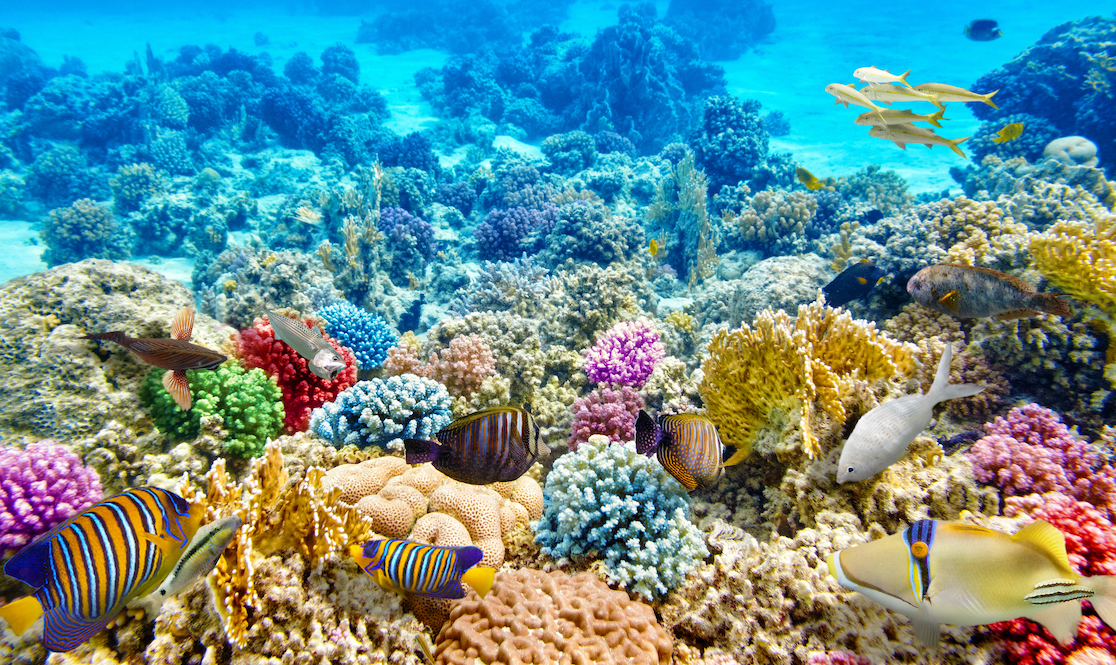
Coral reefs are under assault. They are rapidly being degraded by human activities. They are over-fished, bombed and poisoned. They are smothered by sediment, and choked by algae growing on nutrient-rich sewage and fertilizer run-off. They are damaged by irresponsible tourism and are being severely stressed by the warming of the world’s oceans. Each of these pressures is bad enough in itself, but together, the cocktail is proving lethal.
-Klaus Topfer
From the last post on Diving Deeper, you have hopefully understood how quickly coral reefs are dying off and just how much this will impact humans, marine life, and the vitality of our world.
For this article, you’ll be given realistic steps to help preserve these precious coral reefs. Not everyone is willing to call up their politicians or go volunteer to do beach cleanups (if you are, please do!), so these are some steps that everyone can realistically take today to greatly help out this planet that we call home!
1. Reduce Pollution
Reducing pollution is such an easy thing to do once you start practicing it. It’s truly such an easy, yet vital step that benefits reefs and thousands of other things worldwide. Start today by doing something simple such as: make sure you’re always throwing trash away- not out the window 😉 , recycle, reuse the next water bottle or soda bottle you buy at the gas station.
There are thousands of ways that you can reduce your pollution and impact on the world. Doing something as simple as the examples above can have a much bigger impact than you’d expect. Just try to always be conscious of how you dispose of things and how much you are consuming!
2. Water!
You might be living thousands of miles away from the nearest ocean and wondering how your actions can affect a body of water that far away. The thing is every body of water flows towards the ocean. The less water you use, the less runoff and wastewater that eventually find their ways back into the ocean. It’s all a domino effect.
Be conscious of the amount of water you’re using and even the products you’re using around water. Choose products that are eco-friendly and don’t contain harmful chemicals.
3. Go Green
Oceanit states, “buy energy efficient products, conserve energy, reuse materials, and eat sustainably. Overconsumption negatively impacts our environment and is a big factor in climate change. By working towards sustainable energy, not only will you protect the coral reefs, but also many other species that cannot survive the warming of our earth.”
So buy energy efficient light bulbs, turn the lights off when you leave the room, and reuse materials rather than throwing them away after a single use. By doing these things, you reduce greenhouse gas emissions. Climate change is one of the leading threats to coral reef survival.
4. Travel Smart
This should be one everyone practices. If you’re going to the same place as someone else, carpool. If you need to go down the block, choose to walk instead of drive. Next time you have to go in to town, make it fun and go on a bike ride with some else! Little things like these can significantly reduce greenhouse has emissions. And if there’s anything that COVID-19 has taught us, it’s that we really don’t need to be driving and going places all the time.
5. Sunscreen
Next time you go to buy sunscreen, choose one that’s reef-safe. Most sunscreens have harmful chemicals in them. Stick to one that protects yourself and the earth. For more information on sunscreen and how it can harm the environment, go here.
6. Don’t Touch!
For those of you who dive and/or snorkel, don’t touch the reefs. It can be tempting, but touching the reefs can severely damage and kill the reefs. Practice using good buoyancy and don’t get too close to the reefs. Look but don’t touch.
7. Watch Your Anchor
For those of you who boat in the ocean, practice being conscious of your anchor. Don’t anchor on top of a reef. Choose a sandy spot away from the reef. Boat anchors rip away and destroy thousands of miles of reefs each year, yet it’s a problem that is so avoidable.
There you have it! This a list that each of you should practice each and every day. These steps are simple and able to be easily practiced. Try just doing one of these things every day, and eventually, they’ll start to become a habit. They are small steps that make a huge difference.
 Diving Deeper