Featured

How to Become a Scuba Diver Today!

scuba, scuba diver, scuba diving, how to become a scuba diver, diving, scuba diving certification, scuba certification, scuba costs, cost to get scuba certified, scuba diving certification costs, how to, becoming a scuba diver, become a scuba diver today

We dive not to escape life, but for life not to escape us.

-Anonymous

When you think of becoming a scuba diver, you probably think that becoming scuba certified is a lengthy, difficult task. To be completely honest, becoming a scuba diver is surprisingly simple. With a little preparation and information on your side, you can realistically become scuba certified within no time at all. Follow the steps below to know how to get started and what to expect!

Find A Scuba Certification Class

The first step in becoming scuba certified is using something you use nearly every day- Google. All you have to do is search “scuba certification near me.” When you do this, something similar to the image below should appear.

scuba, scuba diver, scuba diving, how to become a scuba diver, diving, scuba diving certification, scuba certification, scuba costs, cost to get scuba certified, scuba diving certification costs, how to, becoming a scuba diver, become a scuba diver today

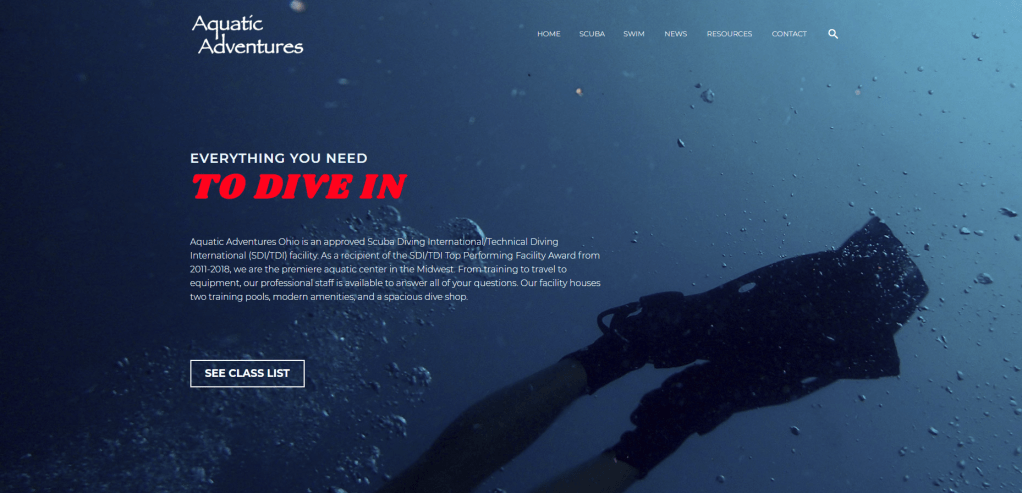
Next off, find the location that is nearest and/ or most convenient for you. For this example, I’ll select “Aquatic Adventures Ohio,” located in Columbus, Ohio, and go to their website. Once on their website, I went to the “Scuba” tab in the upper section. Once there, they had this screen:
scuba, scuba diver, scuba diving, how to become a scuba diver, diving, scuba diving certification, scuba certification, scuba costs, cost to get scuba certified, scuba diving certification costs, how to, becoming a scuba diver, become a scuba diver today

Find A Class That Fits Your Schedule!

Once on a dive website, you will want to find their class list or class schedule. You’re going to want to look for an “Open water” certification class. This class is for new divers and allows you to dive by yourself (although you should always dive with someone else) to a maximum depth of 59ft for adults and 40ft for juniors (those under 18 years old).

Please keep in mind that these classes are not normally a day-long class. Scuba classes are often covered over the span of a couple weekends or throughout the week. Every scuba class has a different schedule, but if none of the classes work for you feel free to call the dive shops. Many of the dive instructors at these dive shops are willing to work around your schedule.

I would recommend shopping around for a class that fits your budget. You can find good deals on scuba classes if you look for them. My brother and sister were able to get scuba certified for just around $200 each, and this included a free dive trip in Ft. Lauderdale, FL for their first open water dive! Good deals are out there- just look for them.

Schedule your class!

Once you’ve found a class schedule that fits yours, all that’s left is to book your spot in the class! Becoming scuba certified is this simple. Find a class near you, find the class schedule that works for you, book your spot, and then prepare to have a blast! You’re now well on your way to being scuba certified.
scuba, scuba diver, scuba diving, how to become a scuba diver, diving, scuba diving certification, scuba certification, scuba costs, cost to get scuba certified, scuba diving certification costs, how to, becoming a scuba diver, become a scuba diver today

What to Expect

These classes include the following three sections: class sessions about scuba diving, confined water dives (meaning you practice diving in a pool or other confined water), and an open water dive (meaning you go diving in a natural body of water).

Class Sessions

For your scuba class, you’ll get a scuba textbook which you’ll go over in class with your instructor. Most of the time, you’ll be assigned reading outside of class for the sake of time, and then you’ll take short quizzes in class over the material. Don’t worry, if you fail the quizzes you’re not going to fail the class. Your instructor will probably just show you your mistakes and have you take the quiz again. The point of these class sessions is to cover material your instructor thinks is important for you to know.

Confined Water Dives

The confined water dives is where the fun begins! Confined water dives means that you’ll be scuba diving in a pool. This is where you’ll get to take your first breath underwater- it’s a thrilling experience to say the least.

You’ll practice setting up and checking your dive equipment, practice entering the water, learn and use dive signals underwater, and perform basic maneuvers and skills underwater. Prepare to have some fun and even learn some cool tricks like how to clear your mask underwater if it fills up with water!

Open Water Dives

At this stage, you’re so close to being certified- you’ve done the book work and pool sessions. All that’s left to do is get out in the real world and take your first open water dive! To become certified, you’ll have to do four open water dives with your instructor. This is where you’ll really start getting in the spirit of scuba diving. You’ve done all the hard work, and now it’s time to enjoy what scuba diving has in store for you!

SO what are you waiting for? Take the plunge today. Sign up for a class near you, and explore the great wonders scuba diving has in store for YOU!
Featured

The History of Scuba Diving

What Started This Great Sport

From birth, man carries the weight of gravity on his shoulders. He is bolted to earth. But man has only to sink beneath the surface and he is free.

— Jacques Cousteau

We humans are curious and adventurous by nature. It’s this thrill of adventure and curiosity that led Edmund Hillary to summit Mount Everest, Amelia Earhart to fly solo across the Atlantic, and George W. Gibbs Jr. to become the first African-American to set foot on Antarctica. It’s also for this same reason that humans began to explore the world below sea. For thousands of years, man had only been able to explore the sea as deeply as he dare go on his own breath of air. However, that all soon changed.

The following is a list of many inventions that ultimately changed the world of underwater exploration and contributed to the sport of scuba diving today.

In the 1400s, Persians invented the first recorded goggles by polishing pieces of tortoise shells.

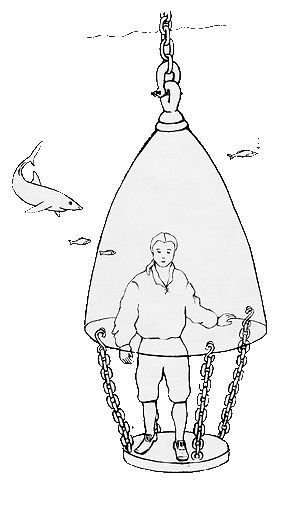
During the 1500s, one of the first diving bells was created in order to allow humans to go underwater on more than one breath. Think of something like this:

scuba, scuba diving, diving, scuba diver, diver, the history of scuba diving, the history of scuba, history of scuba, how did scuba diving begin, how did scuba diving start, origin of scuba diving

By 1771, John Smeaton invented the air pump which allowed for fresh air to be pumped down to the diving bells. Before this time, divers were only able to stay in the diving bells until it it ran out of breathable oxygen.

In 1772, Sieur Freminet invented the first self-contained underwater breathing device by creating a device that recycled the exhaled air from inside of the diving bell.

In 1839, James Eliot and Alexand McAvity created “a device carried on the diver’s back containing a quantity of condensed oxygen gas”- effectively creating the first scuba tank.

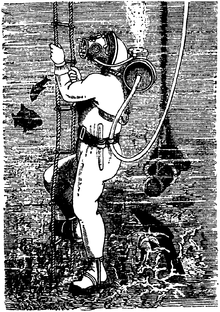
In 1873, the first real mobile diving suit (animated below) was created by Benoît Rouquayrol and Auguste Denayrouze which supplied a much safer supply of air. Before this suit was invented, many suits were were metallic, bulky, and heavy.

scuba, scuba diving, diving, scuba diver, diver, the history of scuba diving, the history of scuba, history of scuba, how did scuba diving begin, how did scuba diving start, origin of scuba diving

In 1942, Emile Gagnan and Jacques Cousteau created the modern-day regulator (the device divers use to breathe out of) and created the present-day scuba giant, Aqua Lung.

scuba, scuba diving, diving, scuba diver, diver, the history of scuba diving, the history of scuba, history of scuba, how did scuba diving begin, how did scuba diving start, origin of scuba diving

By the 1960s, the buoyancy compensator (a vest worn by divers that help them sink or float) was invented.

scuba, scuba diving, diving, scuba diver, diver, the history of scuba diving, the history of scuba, history of scuba, how did scuba diving begin, how did scuba diving start, origin of scuba diving

It’s because of all these inventions over the past few hundred years that allows us to so effortlessly and so fully enjoy the world of scuba diving today. So now that you know the story behind what started this great sport, why not learn about how you can get started in this great sport today!

What YOU Can Do to Preserve Coral Reefs!

Scuba, scuba diving, divers, scuba divers, how to protect reefs, coral reefs, coral reefs are dying, how to help coral reefs

Coral reefs are under assault. They are rapidly being degraded by human activities. They are over-fished, bombed and poisoned. They are smothered by sediment, and choked by algae growing on nutrient-rich sewage and fertilizer run-off. They are damaged by irresponsible tourism and are being severely stressed by the warming of the world’s oceans. Each of these pressures is bad enough in itself, but together, the cocktail is proving lethal.

-Klaus Topfer

From the last post on Diving Deeper, you have hopefully understood how quickly coral reefs are dying off and just how much this will impact humans, marine life, and the vitality of our world.

For this article, you’ll be given realistic steps to help preserve these precious coral reefs. Not everyone is willing to call up their politicians or go volunteer to do beach cleanups (if you are, please do!), so these are some steps that everyone can realistically take today to greatly help out this planet that we call home!

1. Reduce Pollution

Reducing pollution is such an easy thing to do once you start practicing it. It’s truly such an easy, yet vital step that benefits reefs and thousands of other things worldwide. Start today by doing something simple such as: make sure you’re always throwing trash away- not out the window 😉 , recycle, reuse the next water bottle or soda bottle you buy at the gas station.

There are thousands of ways that you can reduce your pollution and impact on the world. Doing something as simple as the examples above can have a much bigger impact than you’d expect. Just try to always be conscious of how you dispose of things and how much you are consuming!

2. Water!

You might be living thousands of miles away from the nearest ocean and wondering how your actions can affect a body of water that far away. The thing is every body of water flows towards the ocean. The less water you use, the less runoff and wastewater that eventually find their ways back into the ocean. It’s all a domino effect.

Be conscious of the amount of water you’re using and even the products you’re using around water. Choose products that are eco-friendly and don’t contain harmful chemicals.

3. Go Green

Oceanit states, “buy energy efficient products, conserve energy, reuse materials, and eat sustainably. Overconsumption negatively impacts our environment and is a big factor in climate change. By working towards sustainable energy, not only will you protect the coral reefs, but also many other species that cannot survive the warming of our earth.”

So buy energy efficient light bulbs, turn the lights off when you leave the room, and reuse materials rather than throwing them away after a single use. By doing these things, you reduce greenhouse gas emissions. Climate change is one of the leading threats to coral reef survival.

4. Travel Smart

This should be one everyone practices. If you’re going to the same place as someone else, carpool. If you need to go down the block, choose to walk instead of drive. Next time you have to go in to town, make it fun and go on a bike ride with some else! Little things like these can significantly reduce greenhouse has emissions. And if there’s anything that COVID-19 has taught us, it’s that we really don’t need to be driving and going places all the time.

5. Sunscreen

Next time you go to buy sunscreen, choose one that’s reef-safe. Most sunscreens have harmful chemicals in them. Stick to one that protects yourself and the earth. For more information on sunscreen and how it can harm the environment, go here.

6. Don’t Touch!

For those of you who dive and/or snorkel, don’t touch the reefs. It can be tempting, but touching the reefs can severely damage and kill the reefs. Practice using good buoyancy and don’t get too close to the reefs. Look but don’t touch.

7. Watch Your Anchor

For those of you who boat in the ocean, practice being conscious of your anchor. Don’t anchor on top of a reef. Choose a sandy spot away from the reef. Boat anchors rip away and destroy thousands of miles of reefs each year, yet it’s a problem that is so avoidable.

There you have it! This a list that each of you should practice each and every day. These steps are simple and able to be easily practiced. Try just doing one of these things every day, and eventually, they’ll start to become a habit. They are small steps that make a huge difference.

Coral Reefs are Dying. Why This Matters.

Scuba, scuba diving, coral reefs, dying, coral reefs dying, climate change, acidity, pollution, why are coral reefs dying

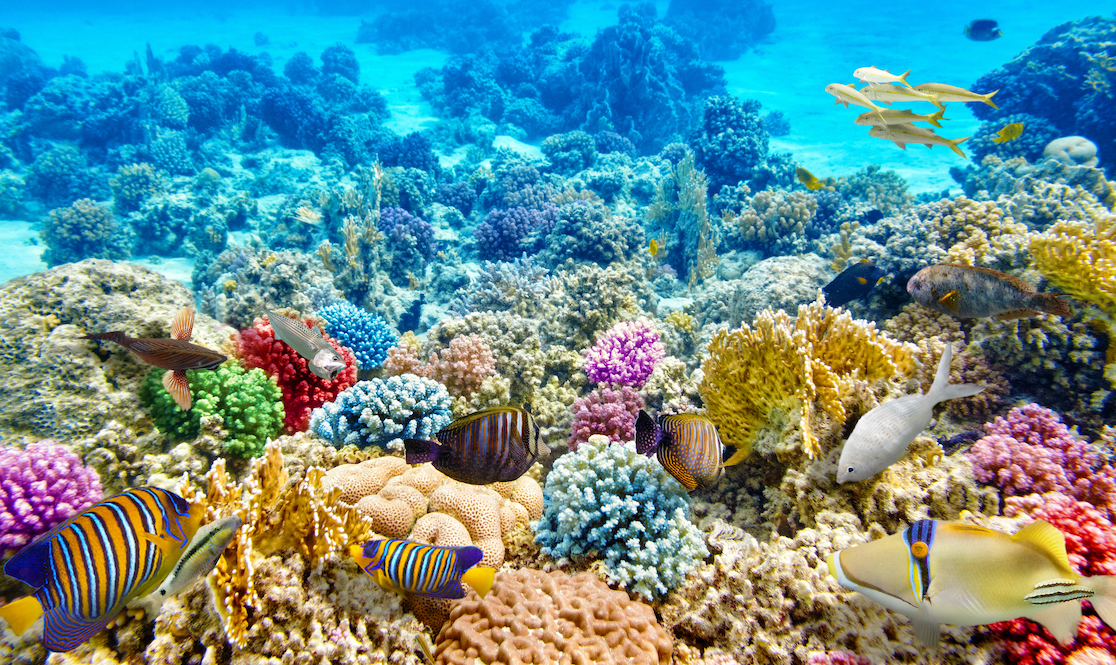
Coral reefs represent some of the world’s most spectacular beauty spots, but they are also the foundation of marine life: without them many of the sea’s most exquisite species will not survive.

Sheherazade Goldsmith

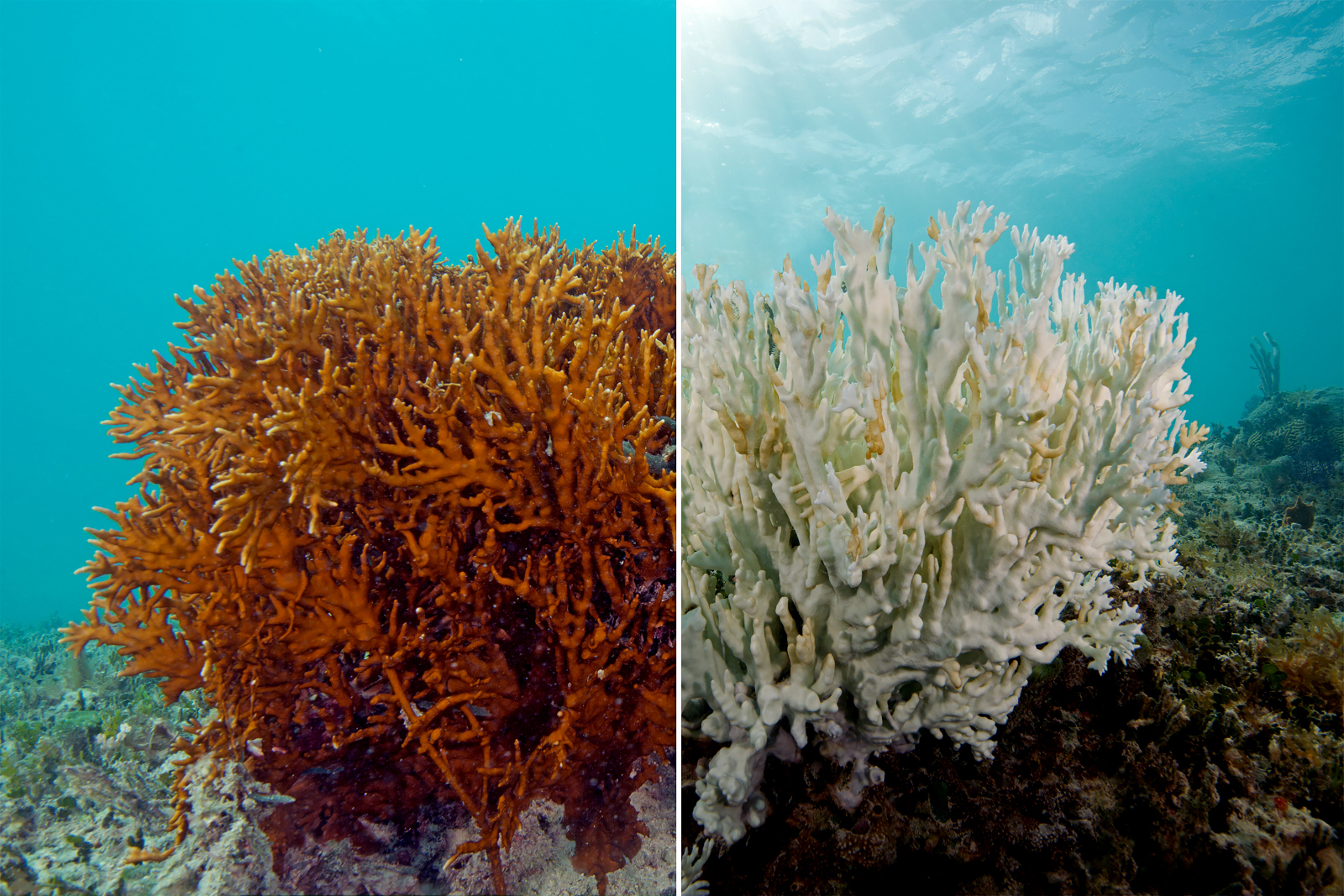
An alarming fact that many people don’t know or realize today is that coral reefs are dying off rapidly. In the past 30 years alone, 50% of coral reefs around the world have died off! Read that again, 50% of ALL of earth’s coral reefs have died off. Gone. Just like that. What’s even more startling is the projection that 90% of all coral reefs will be dead by the end of this century.

Hopefully those numbers really sink in for you. That’s a drastic world change that will be irreversible when that time comes. At this point though, you might still be wondering what exactly this change would look like for you and the rest of the world. Let’s have a look.

Impact on Diving

A world without coral reefs will, for one, be much less diverse and beautiful. The ocean will be devoid of so much life and beauty. The diving industry will take a massive hit as world-renowned diving sites will be no more than rocky, gray, and dull ocean floors. Think of how big cities look in apocalypse-based movies and shows. These big cities that were once full of color and bustling with life become still, silent, and nothing more than massive graveyards. The coral reefs will soon start resembling these cities.

Economic Impact

Not only will coral reefs dying off have an effect on the diving industry, but they will also have a broad effect on the economy. Coral reefs are estimated to have an economic impact of +$375 billion annually.

Developing nation will take an especially hard hit as many of these countries live on or near coastlines. A large portion of these countries’ GDP is accumulated from fishing and tourism. Fishing and tourism for these countries directly depend on the health of coral reefs. The ocean fishing industry is also an employer of 38 million people globally. Without coral reefs, this entire industry would collapse. With the collapse of this industry, experts predict we would see mass starvation.

Coral reefs are one of the most high-value ecosystems that we have on earth. Coral reefs contribute to many new medicinal products and remedies each year. Losing coral reefs has the potential to severely limit our ability to create these new remedies and products that millions of people depend on each year.

Impact on Coastal Areas

Not only are coral reefs intertwined with the economies of nations world, they also protect many coastal areas worldwide. For areas that are frequently battered by hurricanes and intense marine weather, coral reefs are a natural buffer between the waves and the coast. Coral reefs are a natural form of coastline protection which actively prevent the loss of life, erosion, and property damage. Without these reefs, storms would have a much more devastating impact on coastal areas.

In Conclusion

If we were to lose coral reefs, some experts predict mass hunger, poverty, and political instability. Entire countries depend solely on coral reefs, and every country worldwide depends on them in some form or the other. We can’t afford to lose these coral reefs. So what exactly does this mean for you and me? We have to act today, not tomorrow. In my next post, I’ll detail exactly what steps we can each engage in to protect these vital ecosystems.

Top 7 Dive Sites around the World to Dive while You Still Can!

Scuba, scuba diving, diver, scuba diver, best dive sites, coolest dive sites around the world, around the world, top scuba diving sites

The world’s reefs are quickly deteriorating due to many factors. Because of this, many amazing dive sites around the world may not be around for much longer. So next time you’re planning a dive trip, think about visiting one of these locations while you still can!

When you think about the best dive site around the world, you probably think of the Great Barrier Reef, don’t you? What if I told you it’s not? What if I told you the best dive sites might just be places you’ve never heard of? That’s right! This list is the top 7 dive sites around the world compiled and tested by divers’ votes from all around the globe.

Top Dive Sites:

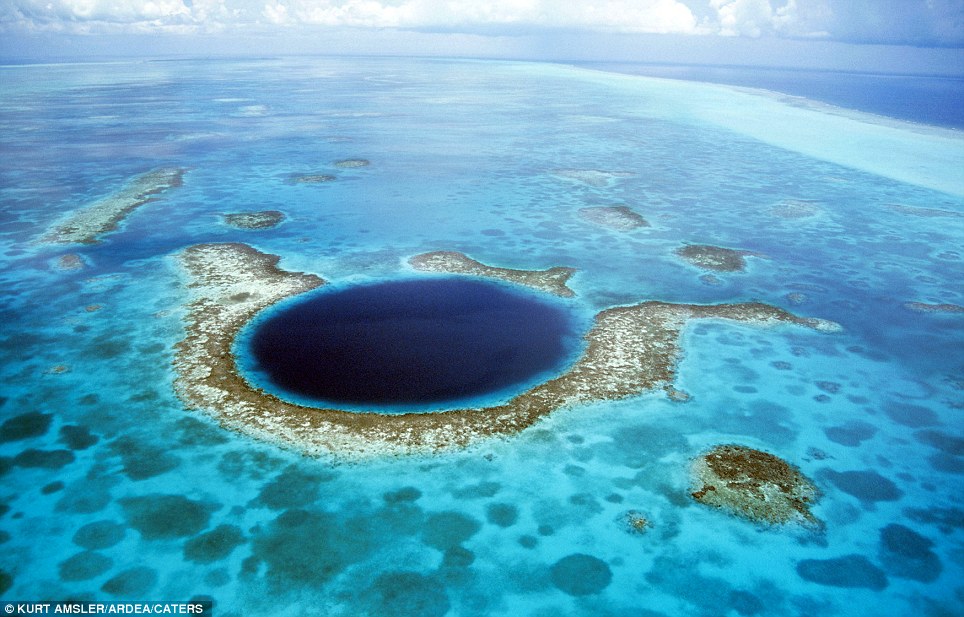
7. Great Blue Hole, Belize

The Great Blue Hole is a massive marine sinkhole off the coast of Belize which has become a bucket-list dive for thousands of divers every year. The Great Blue Hole is one of the most fascinating destinations in the world as there is nothing else like it in the entire world. This massive hole is 984 feet across and even 407 feet deep. It’s a site that you must dive at least once in your life.

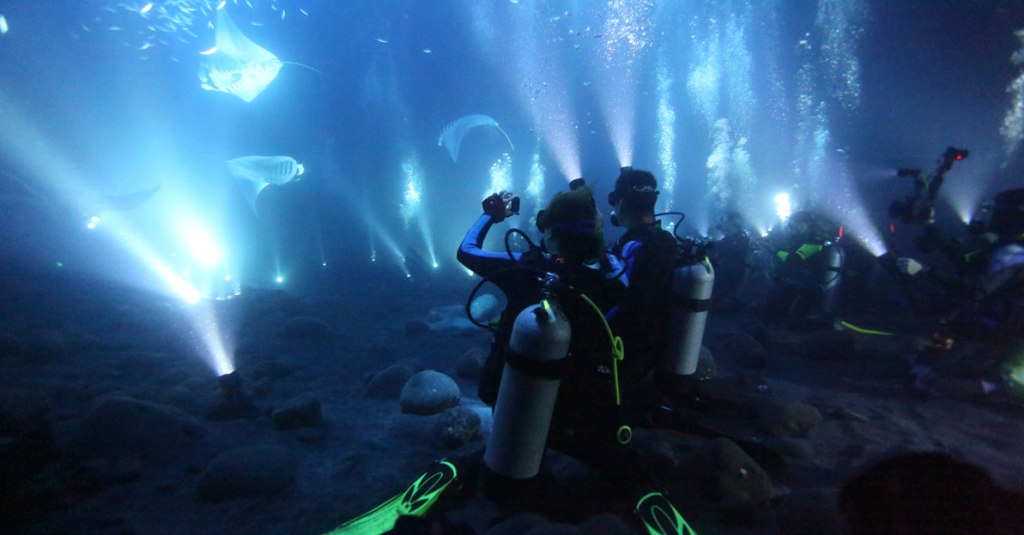
6. Manta Ray Night Dive, Kailua Kona, Hawaii

This is one of the most otherworldly dives on this list. This is a night dive in Kailua Kona, Hawaii that features Manta Ray as the main performance. Divers literally sit on the bottom of the ocean with dozens of lights pointed up at the surface watching countless majestic manta ray swim effortlessly in front of them. This is a show and a site that you are sure to remember for the rest of your life. It’s a dive where you might just start to feel like you’ve entered another universe.

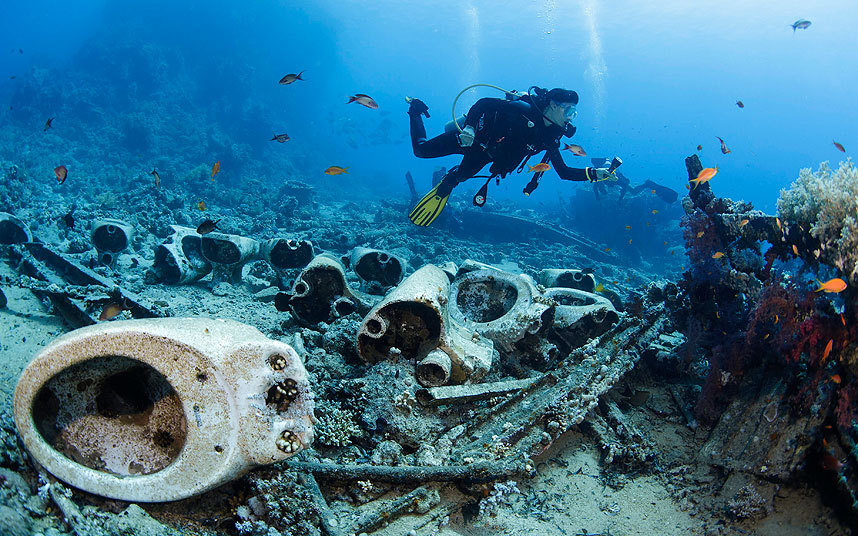
5. Shark and Yolanda Reef, Egyptian Red Sea

This dive consists of two separate reefs that you can see all in one dive. You simply drift dive and let the current take you first to Shark Reef where you will encounter beautiful marine life. Shark Reef is full of many vibrant colors. From there you let the current take you to Yolanda Reef. Yolanda Reef is named after the merchant ship Yolanda which sank here in the 1980s. Yolanda was carrying hundreds of toilets, sinks, and bathtubs which are all scattered across the reef creating a truly unusual visual experience for every visitor.

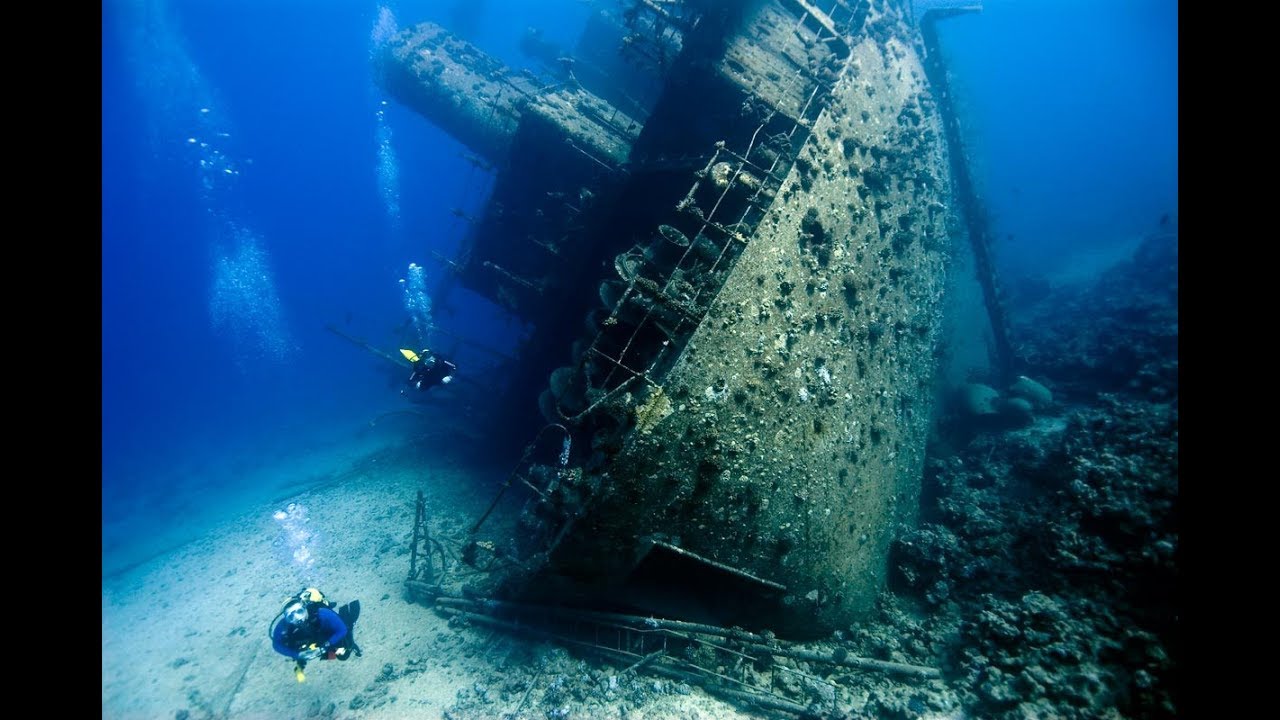
4. Thistlegorm, Egyptian Red Sea

Thistlegorm is another shipwreck that also went down in the Egyptian Red Sea. Built in 1940, the SS Thistlegorm was a British armed Merchant Navy ship used during WW2 to transport various war supplies. She was sunk on October 6, 1941 by a German Air Attack. This shipwreck contains many war supplies such as locomotives, tanks, trucks, Jeeps, motorbikes, boots, and stacks of rifles and makes you feel as if you’re diving back in history!

3. Yongala, Australia

The Great Barrier Reef finally cracks the list! However, it’s not for the reason you’d expect. This dive in the Great Barrier Reef is yet another shipwreck. This shipwreck is considered one of the top dive sites in the world not entirely for the site of the shipwreck alone but for the expanse of marine life that lives among the shipwreck. On this site alone, you can almost expect to see the entirety of Australia’s marine life as it’s home to animals like sea snakes, sharks, octopi, turtles, frogfish, rays, eels, squid, potato cod, and just about anything else you could want to see!

2. Blue Corner Wall, Palau, Micronesia

“It’s like there was a parade director somewhere off to one side saying, ok, now reef sharks, now spanish makerel, now a napolean wrasse. Constant stream of amazing life” (Jay, USA, 2012). If this isn’t a more perfect definition of the Blue Corner Wall… The marine life at the Blue Corner Wall is greater than anywhere else in the world. Simply put, it’s unmatched. If you want to see sharks, you can see sharks. If you want to see Manta Rays, guess what? You can see those too! Blue Corner Wall is truly a diver’s paradise.

1. Barracuda Point, Sipadan Island, Malaysia

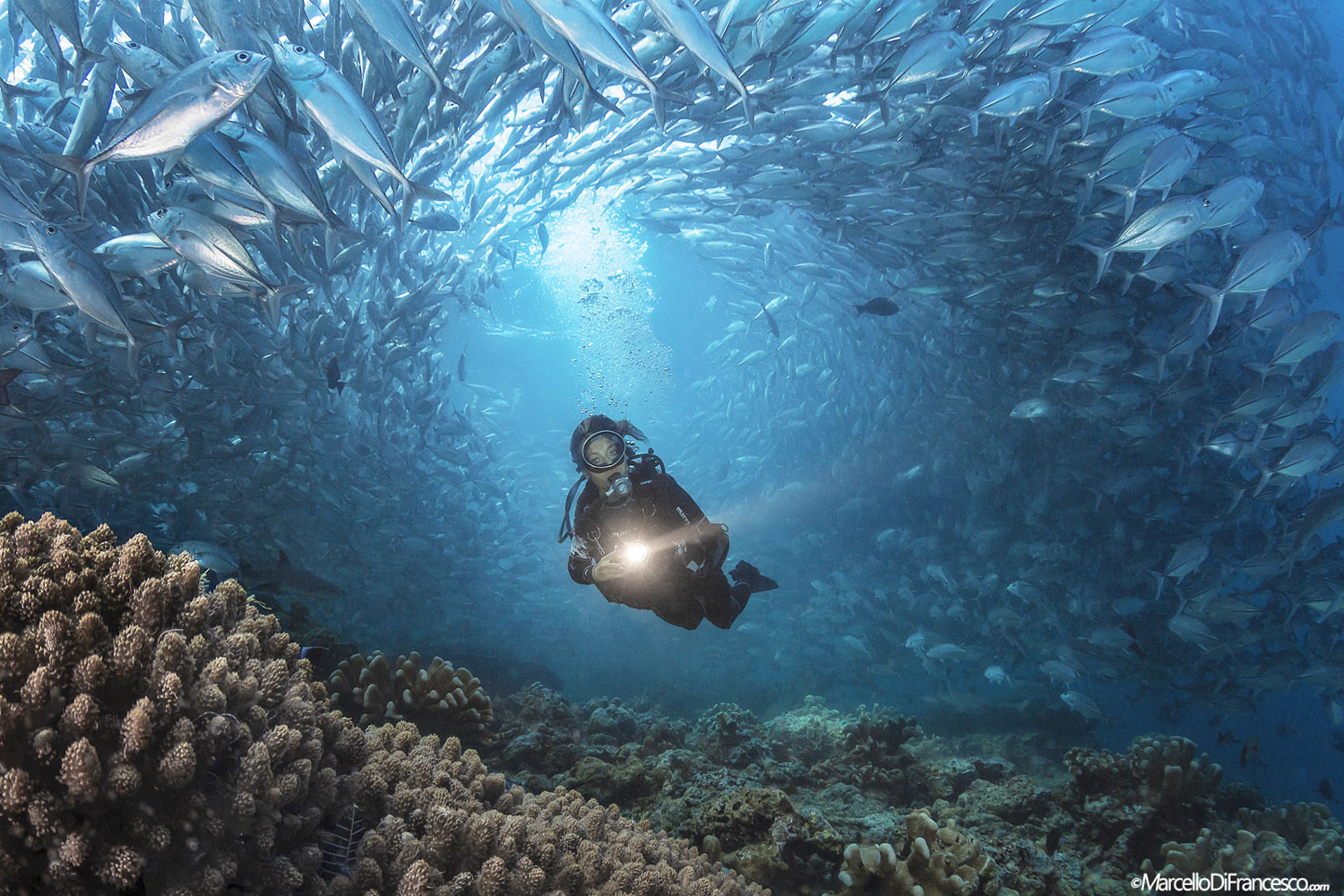
Number one on this list is here for a reason. This is rated the best dive site in the entire world, and it’s a dive that won’t leave you disappointed. As the name implies, this site contains barracuda but not just a few. The picture above isn’t an exaggeration of the amount of barracuda you can see. If you’re diving here, you shouldn’t be surprised to become surrounded by thousands of barracuda at once. This site is the best in the world for it’s pairing of the healthy and vibrant coral reef along with the marine life. It’s the only place in the world where your focus isn’t on the world-class reef; rather, you won’t be able to keep your eyes off the seemingly relentless wave of marine life.

So now that you’ve seen the best dive sites in all the world, what are you waiting for? Start researching, watching videos on these dive sites, and planning your next dive trip to one of these locations. These dive sites are sure to leave you with memories to last a lifetime.

Top 5 Dive Sites in Ohio!

Scuba, scuba diving, dive, diving, diver, scuba diver, best dive sites, top dive sites, best dive sites in Ohio, top dive sites in Ohio, in Ohio

One doesn’t have to travel to the ocean to experience amazing dives and unique sites. The truth is, quarries can offer equal and even better experiences; Ohio’s quarries are the perfect example of this. Take a look at this list of the Top 5 Dive Sites in Ohio to plan your next adventure today!

5. Portage Quarry

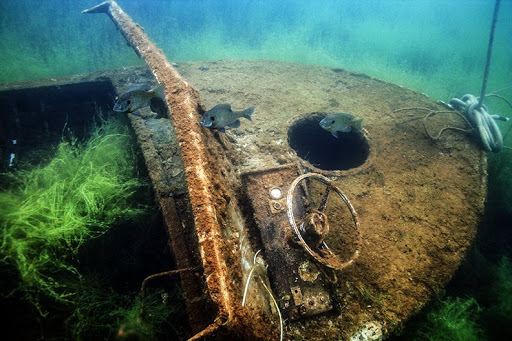
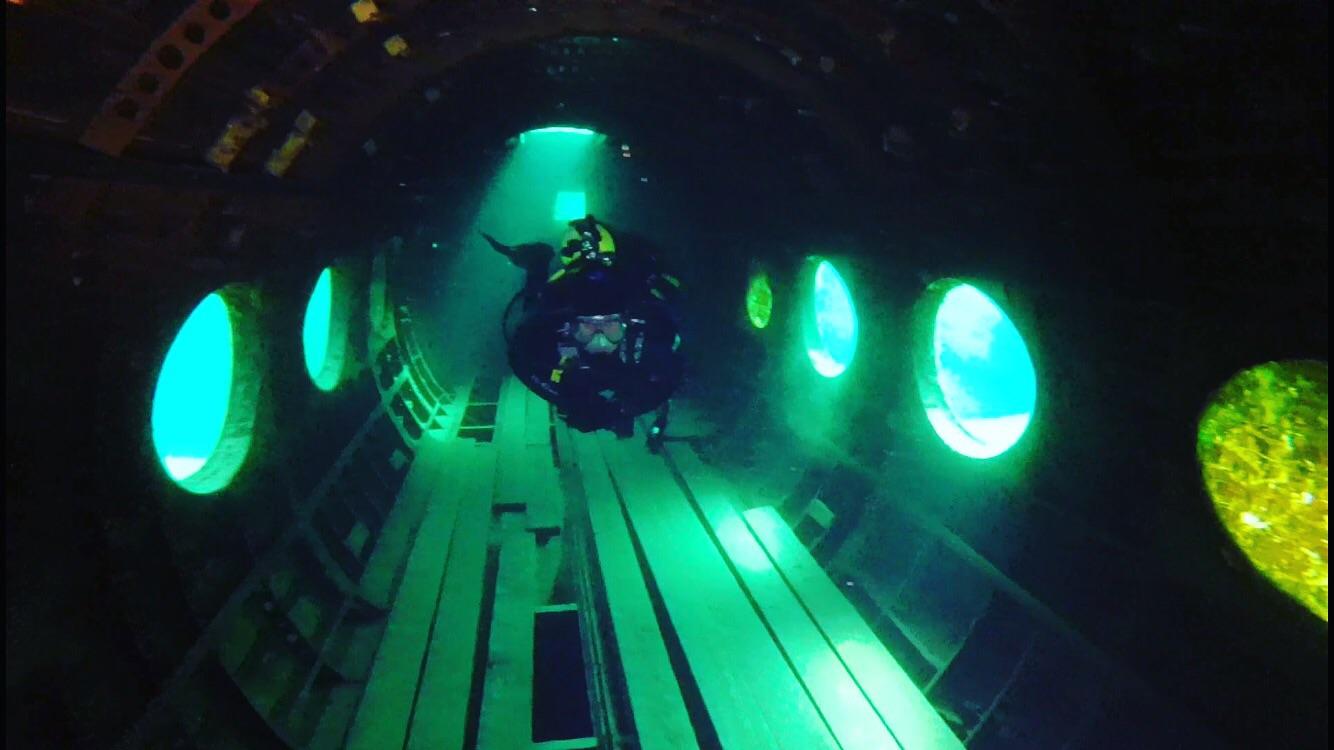
Found in Bowing Green, Ohio, this dive site includes many attractions such as a grain silo, semi-truck, sunken airplane, boat, and even a cannon! Visibility ranges anywhere from 10-20 feet, and the maximum depth is 70 feet. This can be an exciting quarry to go and explore on your next free day!

4. Circleville Twin Quarries

Located in Circleville, Ohio, the twin quarries are home to many attractions such as a school bus, ambulance, a bathtub with a bathing mermaid, a toilet that releases a toy rat when opened up, pool table, and catfish up to 20 lbs. This dive site is named the twin quarries because it’s two small quarries side by side with each other- both continuing their own unique adventures. Visibility ranges from 8-20 feet depending on the day, and the maximum depth is 25 feet. This is an exceptionally fun dive site for all levels of divers.

3. White Star Quarry

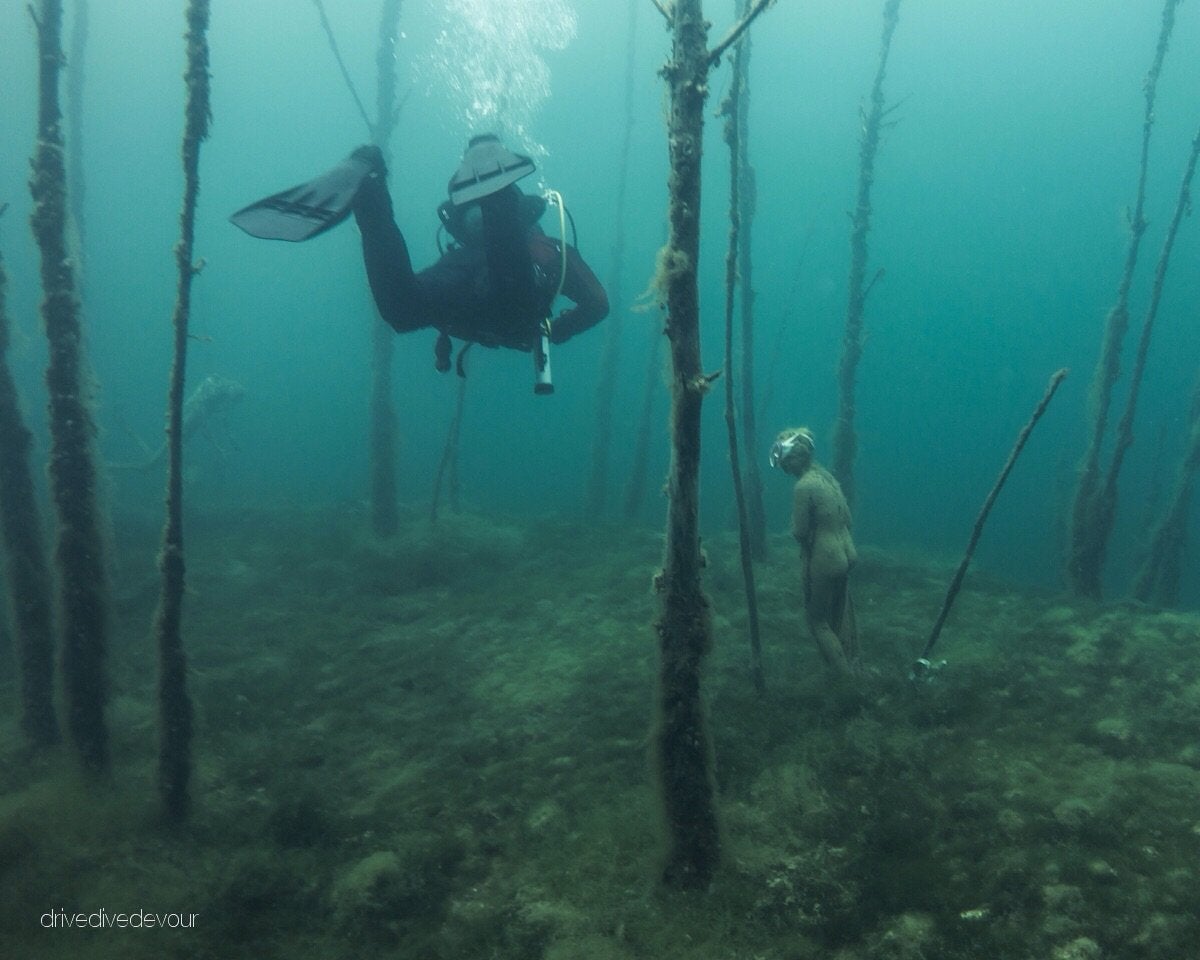
White Star Quarry is located in Madison Township, Ohio. Though this dive site is ranked the third best dive site, don’t let that fool you. This dive site is one of the best dive sites you can find. In White Star, you can expect to see all kinds of unique things including a Frito Lay truck, motorcycle, crusher pit, police car, sailboat, and the main attraction, the enchanted forest! This quarry offers the best visibility of any quarry you’ll find as it can range anywhere from 20-100 feet. The depth averages around 40 feet but does dip down to 80 feet in one location. Again, don’t let the ranking fool you, this is a spot you must see with your own eyes!

2. Lake Erie

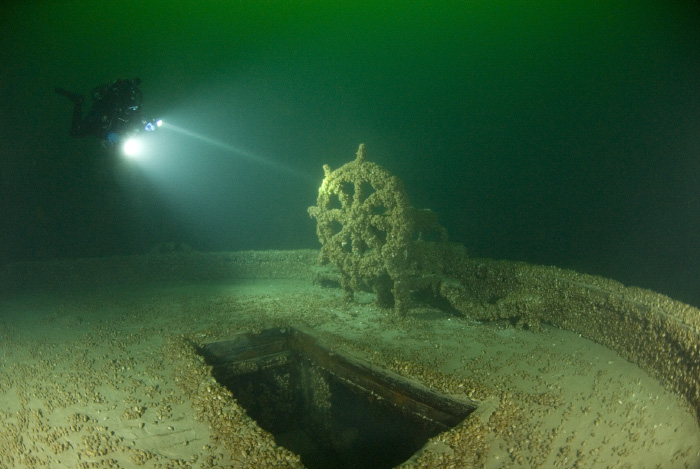
Lake Erie is certainly the largest dive site on this dive site, and because of this, the dive possibilities are endless. Lake Erie is a dive site every diver should experience at least once. The rich history that lies along the lake floor is captivating with the multitude of shipwrecks. The depths in Lake Erie tend to average around 62 feet, so it’s important to note this probably isn’t a dive site for beginners.

1. Gilboa Quarry

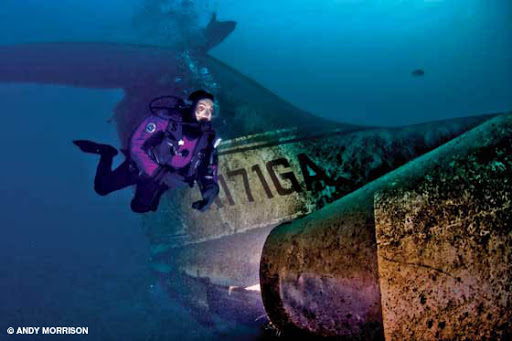
Gilboa Quarry is found in Ottawa, Ohio. This is the #1 dive site in Ohio for a reason. Gilboa offers some of the coolest sites and experiences all in one location. Think of one other quarry where you can find an underwater private jet that you can swim through, a tower wreck, hundreds of rainbow trout, the elusive paddlefish, and an underwater wall that you can use to rappel down to below 100 feet. This quarry truly has something for everyone, and it’s sure to leave you itching to come back again.

Got another state you’d like for me to give my input on? Have more sites to add to this list? Let me know in the comments below!

Planning a Scuba Trip

Yes, even in the midst of the coronavirus.

coronavirus, cover 19, scuba diving, scuba, diving, diver, diving, scuba diver, padi, scuba mag, underwater photography

You’re 30 feet underwater, the ocean is brisk, the slight current is stirring the sand, the colorful fish are swarming, the bright red lobsters are playfully harassing the neon eels — everything seems surreal, especially the fact that you’re breathing underwater.

-Natalie Lavery

Surreal. What a great word to describe the days we’re living in. A virus unseen to the naked eye infecting thousands by the day. People buying up toilet papers by the dozens. Still not sure what’s up with that… In the midst of all this chaos, where is peace? Where is clarity? My answer? Right below the surface.

With hundreds of thousands of people across the world being home from jobs, schools, and other places, we’ve been given a great privilege and opportunity. We’ve been given a break from the normal everyday, busy hum of life. We’ve been given time with our families. What better way to spend this time than to get some peace by slipping underwater with a regulator in your mouth and a tank on your back? If you’re interested in doing just this, read below to find the best tips for planning your own dive trip right now!

Just… do it

The best tip for planning your dive trip is to act on your motivation and inspiration to go diving. Don’t wait for the opportunity to come- especially with the uncertainty that we face each day. Just plan a trip. Find somewhere that looks interesting to you. Google “best places to dive near me” or ask fellow divers for advice on possible dive sites. The place you’d like to dive doesn’t even have to be fair away either. Get some tanks filled up and go with a buddy of yours to a local quarry, lake, ocean, or any body of water!

Bring a tent and a sleeping bag

If you’re going somewhere within driving distance or have room to bring it on your flight, bring a tent and sleeping bag. Pitch the tent, dive, sleep, and do it all again the next day. Some of your best memories can come from under the water as well as above it. Take time to enjoy the outdoors with a family member or friend of yours. The experience of diving and camping together is sure to bring you closer together and have you feeling a fullness you may not have felt for a long time.

Research your dive site

Always make sure you’re aware of where you’re diving. Scuba trip can become a lifelong memory but not always for the right reasons. Make sure you always research sites before you dive them. Search for the depth of the sites, any possible dangers, events going on at the location, and any other helpful information. Always stay safe and don’t risk something being unprepared.

Stay in contact

Although you may have researched your site so extensively that you know a 500 year history of it, something can always go wrong. Be in contact with others and let them know about your trip- even if it’s just simple things such as your dive site and when you’re planning on diving. Include an emergency phone number with your gear as well just in case of an emergency.

As always, have fun

You’ve probably heard it a hundred times by now, but have fun. Diving is an amazing experience even on the most simple of dives. Scuba diving is a privilege and something that has only been experienced by humans in the past hundred years. So plan your dive trip, spend the night with a buddy somewhere, research, stay in contact, and have fun. May the most wonderful experiences await you.

Scuba Diving Certifications You Need!

A Look into Unique and Exciting Certifications Offered by SSI and PADI

scuba, scuba diving, certifications, scuba diving certifications, waht scuba certification do I need

There are two main scuba certification agencies through which most people get scuba certified. These two companies are PADI (Professional Association of Dive Instructors) and SSI (Scuba Schools International). When you go to get your scuba certification, the certification will follow classes developed by one of these two agencies. Upon completion of the course, you are then either PADI certified or SSI certified.

There are different advantages to both certification agencies, but it comes down to your own preference. For advice on choosing between the agencies, click here.

For the purpose of this article, you’ll learn about truly unique certifications that both agencies offer including cave diver, rescue diver, nitrox diver, and dozens more!

Popular PADI Scuba Certifications

Open Water Diver: “the world’s most popular and widely recognized scuba course.” Includes academic sessions, confined water dives, and 4 open water dives. You’re able to dive to a depth of 60 feet with this certification.

Advanced Open Water Diver: “The course helps build confidence and expand your scuba skills through different Adventure Dives…and develop capabilities as you find new ways to have fun scuba diving.” What’s cool about this certification is that your instructor will let you choose what Adventure Dives you want to do, so you can pack it full of things like photography, buoyancy control, fish identification, exploring wrecks and many more. You’ll also be able to explore deeper- up to 100 feet.

Rescue Diver: “Learn to prevent and manage problems in the water, and become more confident in your skills as a diver. It’s challenging, yet very rewarding… You learn to become a better buddy by practicing problem solving skills until they become second nature. Plus, the course is just fun.”

Enriched Air Diver: “The most popular PADI specialty course. Scuba diving with enriched air nitrox gives you more no decompression time, especially on repetitive scuba dives… If staying down longer and getting back in the water sooner sounds appealing, then don’t hesitate to become an enriched air diver.”

Divemaster: “The PADI Divemaster course is your first level of professional training…You’ll lead others as you supervise scuba diving activities and assist with diver training… As a divemaster, you not only get to dive a lot, but also experience the joy of seeing others have as much fun diving as you do.”

*Check out the full list of Scuba Certifications that PADI offers here. There’s some really neat certifications that they offer that you might just want to see for yourself!

Popular SSI Scuba Certifications

Basic Diver: allows you to become a scuba diver quickly. Rather than having to do extensive training, pool sessions, and several open water dives, you only have to do 1 pool session, an academic session, and 1 open water dive to become certified. You are, however, only allowed to go a maximum depth of 40 feet.

Open Water Diver: the most common certification for all divers. Includes an online academic session, 6 pool sessions, and 4 open water dives. This certification allows you to dive to a maximum depth of 60 feet.

Advanced Adventurer: this course allows you to experience 5 different specialty courses into one. It’s a cool way to get a taste of the different specialty courses that SSI offers without actually committing to one of those courses.

Night Diving and Limited Visibility: “This program provides the skills and concepts required to safely and comfortably dive at night or in limited visibility conditions.”

Shark Ecology: “Learn how nature’s most feared predator is actually a beautiful animal that deserves our respect and protection.”

*SSI offers some awesome courses that you should check out just for the fun of it or if you’re at all interested! To find out more on the courses that SSI offers, click here.

Top 7 Tips for Your First Open Water Dive!

scuba, scuba diving, open water dive, tips for your first open water dive, tips for your first scuba dive, dive, tips for scuba diving

1. Research the Dive Site

You know the saying- expect the unexpected. Don’t go into a dive site without knowing what you’re getting yourself into. You should know things like the depth of your dive site, if there are any underwater currents for the dive site, and if there are any possible dangers in the site (such as caves, animals, etc.).

2. Bring a Dive Buddy

You should never go on a dive alone. There are just too many variables and things you can’t account for. Say you run out of air 50 feet below the surface? Sounds like the perfect time for your dive buddy to lend you their octo (spare regulator). An accident can happen even in a 10 foot deep pond. Just don’t risk it. You’ll be safer, and you’ll have fun more fun with a dive buddy anyways!

3. Check Your Gear

Before you leave to your dive site, check your gear. Imagine yourself putting on all your gear- make sure all the gear you put on in your head matches what you put in your bag. Once you arrive at the dive site and put on your dive gear for real, check your gear. Have your buddy check your gear too. Make sure everything is assembled correctly and works properly.

4. Leave the Camera at Home

You may want to bring a camera along to film your first dive but don’t bring one for your first few dives. Having a camera and trying to film everything you’re seeing on your first dive is no small task. What you’ll find is you’ll be paying more attention to filming than actually diving. Diving takes practice. What you don’t need is something else to think about. Despite not having a camera, your first dive is something you won’t be forgetting any time soon.

5. Swim without Your Hands

Nothing is worse than watching a new diver flailing every one of their limbs when they’re first diving. The truth is, scuba diving is graceful. If you’re exhausted at the end of a dive, you’re not doing it right. Practice swimming without your hands. Use your fins to swim and your BCD to help you either float or sink. If you can dive without using your hands, you’ll conserve energy, use less air out of your tank, and look like a diver who knows what they’re doing!

6. Breathe, Breathe, Breathe… Mostly

Breathing is such an important part of scuba diving. If you can get your breathing down, you can save a massive amount of air and even establish better buoyancy. You should focus on breathing slowly which allows for you to use less energy and get more air. Just try this exercise: breathe in very fast vs. breathe in slow. Which one gives you a more filling breath?

Along with breathing slowly, you should try breathing deeply. You should be trying to completely fill and empty your lungs. The more complete each breath, the fewer you’ll have to take. The fewer you have to take, the more air you’ll have in your tank.

7. Log Your Dive

After you’ve finished your dive, taken off all your gear, and start to recount the amazing sights you saw underwater, take the time to write everything down in your dive log. A dive log can be an awesome way to remember some amazing memories you’ve made, record your favorite dive locations, and even just keep track of the total amount of dives you’ve done (who doesn’t like to brag sometimes?!).

Got any additional tips or advice for open water dives? Let me know in the comments below!

Scuba Gear: Exactly What You Need to Get Started

scuba diving, scuba, diving, scuba gear, what do you need for scuba diving, gear for scuba diving, scuba diving gear, what scuba gear do I need, scuba gear you need, cheap scuba gear, budget scuba gear, scuba gear for cheap

So now that you’ve dipped your toes into the world of scuba diving, it’s time to figure out what gear you’ll need. Throughout this article, I will list what gear you need, what gear you should both buy and rent, and what you can expect to spend on these items!

Gear You Need

*The prices listed below are suggestions for what you should expect to spend on new gear. Keep in mind that you can often find good, used equipment for much cheaper. Those with higher budgets can spend much more on high-end gear; however, you can find solid gear within all of the price ranges listed below.

-Scuba Tank: will carry all of the air you need for your dive.

Should Rent

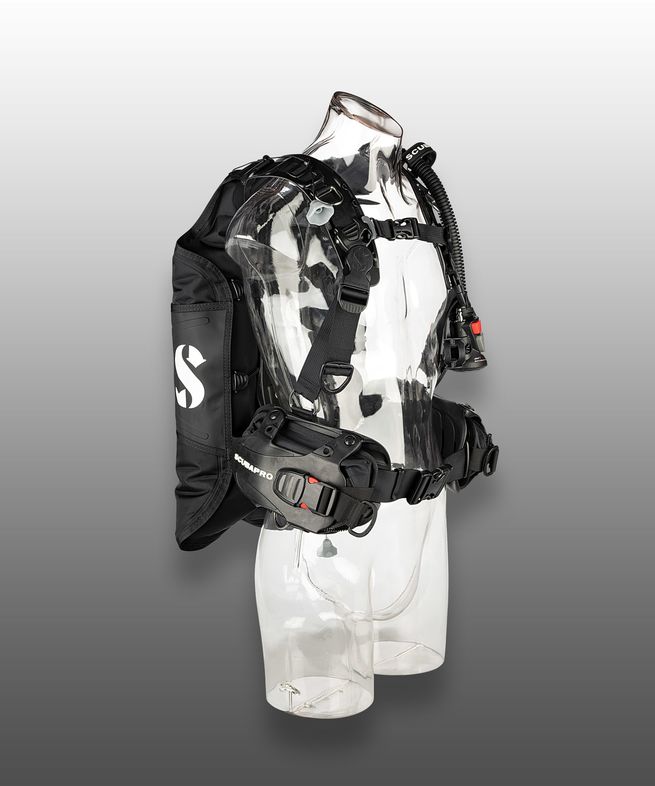
-BCD: Buoyancy compensator device. This is the vest you’ll be wearing which secures your scuba tank on your back and allows for you to establish your buoyancy underwater. It’s one of the most important pieces of dive gear as an uncomfortable BCD can mean the difference between an amazing or terrible dive.

Should Rent; Cost to Purchase: $200-500

-Weights for BCD: help you with establishing buoyancy. Without proper weight, you may not even be able to get underwater.

Should Rent/ Buy Used

-Scuba Regulator Package: should include your main regulator, your octo (your backup regulator for either yourself or your dive buddy), your scuba gauge (tells you how much air is in your tank, your depth, and typically has a compass), and your inflator hose (pumps air from the scuba tank into your BCD which helps you either float or sink).

Cost: $250-600

Wetsuit (Depending on your location): for some locations such as Florida for example, you may not even need a wetsuit. A wetsuit is your own preference. For colder regions, you will need a wetsuit. For warmer regions, you may be just fine without one. Experiment and find out what works best for you.

Cost: $50-150

Scuba Mask: everyone needs a good mask. The most annoying thing you can experience while diving is an uncomfortable mask, one that doesn’t find you right, or one that constantly leaks.

Cost: $20-80

Snorkel: much more handy than you would think. A snorkel is very helpful when you are swimming on the surface as it allows you to keep your focus below you as you’re swimming. It’s also very handy when you’re on the surface because it will keep you from wasting much needed air from your scuba tank. Spend a few bucks, get a snorkel, and attach it to your mask. Don’t go on a dive without one.

Cost: $10-30

Fins: for comfortability reasons, you’ll need good fins. Having good fins can be the cherry on top of an amazing dive. If you have fins that don’t fit you or are uncomfortable, you’re likely to be thinking about them for the entirety of your dive. Get fins that fit you well. If you go through a whole dive and forget about your fins, chances are you picked the right ones.

Cost: $35-95

-Boots: scuba fins are not like normally swimming fins. Normal swimming fins allow you to put your foot directly in the fin. For scuba fins, you have to have scuba boots to fit into your fins properly. You can find comfortable scuba boots for quite cheap too. My personal pair of scuba boots were purchased for $10, and they’re often my favorite part of my scuba gear.

Cost: $20-40

Total: 585-1495

*If you shop for used gear, you’re likely to get even better prices than the ones listed above

Gear You Should Buy

Keep in mind, if you only plan to dive several times, there’s no need to buy your own dive gear. However, if you’re hooked on diving and plan on diving many times, purchasing your own dive gear will benefit you both emotionally and financially for years to come.

Not only can buying gear save you money in the long run, it can help to ease your mind knowing that all your gear has been used properly. Not to mention, who doesn’t just like having their own dive gear?! Anyways, here the list of things you should consider buying:

Wetsuit (Depending on your location): when you’re starting out, it may be helpful to rent different wetsuits to find out which one fits you best, is most comfortable, and aids in your buoyancy underwater. Once you’ve found one that you like best, buy it! Wetsuits aren’t all that expensive, so you should use your money to buy one rather than continually renting one. You may not even need to rent any if you’ve got a local dive shop that will let you try on and test their wetsuits.

Scuba Mask: you shouldn’t have to rent goggles. Just go into a dive shop and try on goggles that fit you well. Also, don’t let the price fool you. Masks don’t have to be expensive to work well. Find the one that fits you well. For advice on how your mask should fit, try this site.

Snorkel: an inexpensive piece of dive gear. For how cheap you can find these, it really makes no sense to rent one.

Fins: you can also find these relatively cheap. There are very expensive models out there, but you can certainly find a pair that fits your needs for cheap. For reference, I found a pair of scuba fins that worked for me for $20 at a garage sale.

Boots: again, you must have boots for your scuba fins. For the cheap price of most boots, it makes no sense to rent them when you can buy them to pair with your fins. Make sure they fit both your foot and the fin well.

Gear You Should Rent

BCD: for starting out, you should rent your BCD. There are many different BCDs out there, but once you find one you like, it’s might be to your advantage to go ahead and purchase it. When renting your BCD, make sure they supply you with weight. If not, make sure to also rent weights.

-Scuba Regulator Package: find a regulator that works well for you. It should be comfortable in your mouth, supply you with good air flow, and shouldn’t mess up your mask seal. Once you’ve found one that fits these criteria, look into purchasing the reg setup complete with your main regulator, octo, scuba gauge, and inflator hose.

BCD Weights: lugging around BCD weights can get tiring. Not to mention, just for a single, small weight, it can cost anywhere from $10-30. Most dive shops only charge you a few bucks to rent them, and some dive shops even give them to you for free when you rent a BCD. This one is really up to you. If you can find cheap used weights, buy them. If you can’t or it’s too much hassle, just stick to renting them.

-Scuba Tank: this is the one item that I would recommend always renting. The reason for this is that whether you have your own tank or not, you have to go to a dive shop to get your tank refilled. Having your own tank, you’ll also be responsible for inspections of your tank to make sure it’s up to date and fit for use. Not to mention, if you plan on flying somewhere for a dive trip, your dive tank would be a huge hassle because of it’s size and weight. For these reasons, it’s often around the same price with less hassle to just rent tanks rather than buy your own.

As you start to dive more, you should be able to take some of these items off of the rent list and put them on your buy list. The reason I suggest renting these things first is because these are items you should test out during your dives.

By renting these items, you should be able to find gear that fits your preferences and fits you comfortably. Once you find gear that you like, look into buying it. Renting gear can be expensive and after just several dives, the price that you paid to rent equipment could have likely paid for one or more of those items.

Design a site like this with WordPress.com
Get started